SEO
What Are Topic Clusters in SEO and Why Do They Matter for Modern Search?
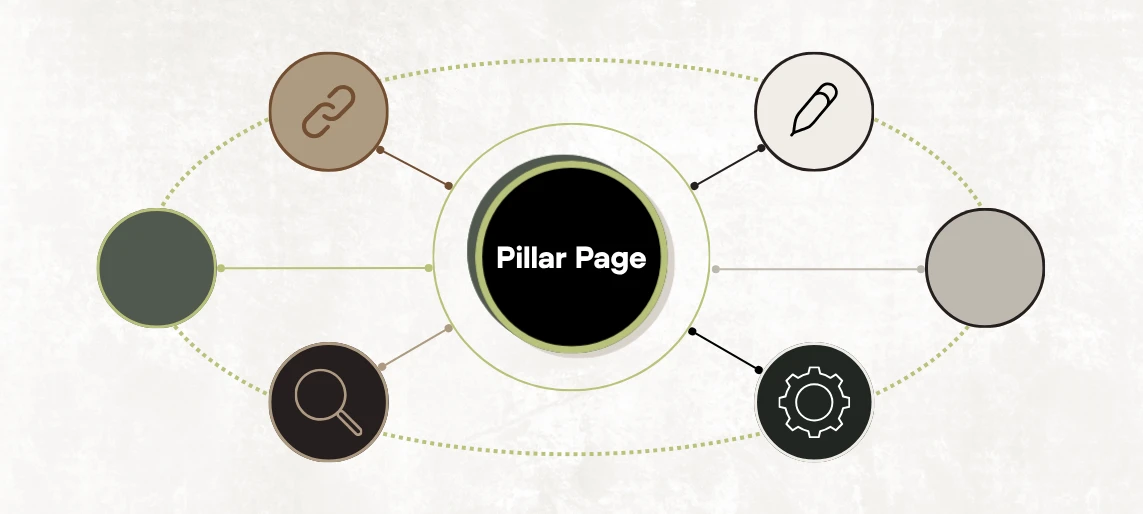
Topic clusters in SEO are a way of organizing website content around a central subject so search engines can better understand your expertise. Instead of publishing isolated blog posts that target individual keywords, a topic cluster strategy groups related content together under one main theme.
The structure usually starts with a pillar page that broadly covers a core topic. Supporting pages, often called cluster content, then explore specific subtopics in greater depth. Each of those pages links back to the pillar page and often to one another.
This approach helps search engines see the full context of your content. It also makes it easier for readers to navigate related information on your site. The result is stronger topical authority, improved internal linking, and better search visibility across a wider set of queries.
In modern SEO, topic clusters are less about ranking a single page and more about building a complete knowledge hub around a subject.
For many years, SEO strategies focused heavily on individual keywords. The goal was to create one page for each target phrase and try to rank it as high as possible.
Search technology has evolved significantly since then. Modern search systems are much better at understanding context and relationships between topics. Instead of evaluating pages only by keyword matching, they look at how well a site covers an entire subject area.
This is where topic clusters become valuable. When your content addresses multiple angles of the same subject, search engines begin to see your site as a resource that consistently provides helpful information.
Topical authority also benefits users. Readers who find one helpful article often want to explore related topics. A well structured cluster makes it easy to continue learning without leaving the site.
Topic clusters align both with how search engines evaluate expertise and how people naturally consume information.
The purpose of a cluster strategy is not just organization. It is to build topic authority by showing search engines and AI systems that your site covers a subject thoroughly.
A topic cluster in SEO is a structured group of pages that collectively cover a broad subject.
The structure typically looks like this:
Each piece of content contributes to a broader understanding of the subject. Instead of competing with one another for similar keywords, the pages support each other.
This model creates a strong network of content that reinforces your authority in that area.
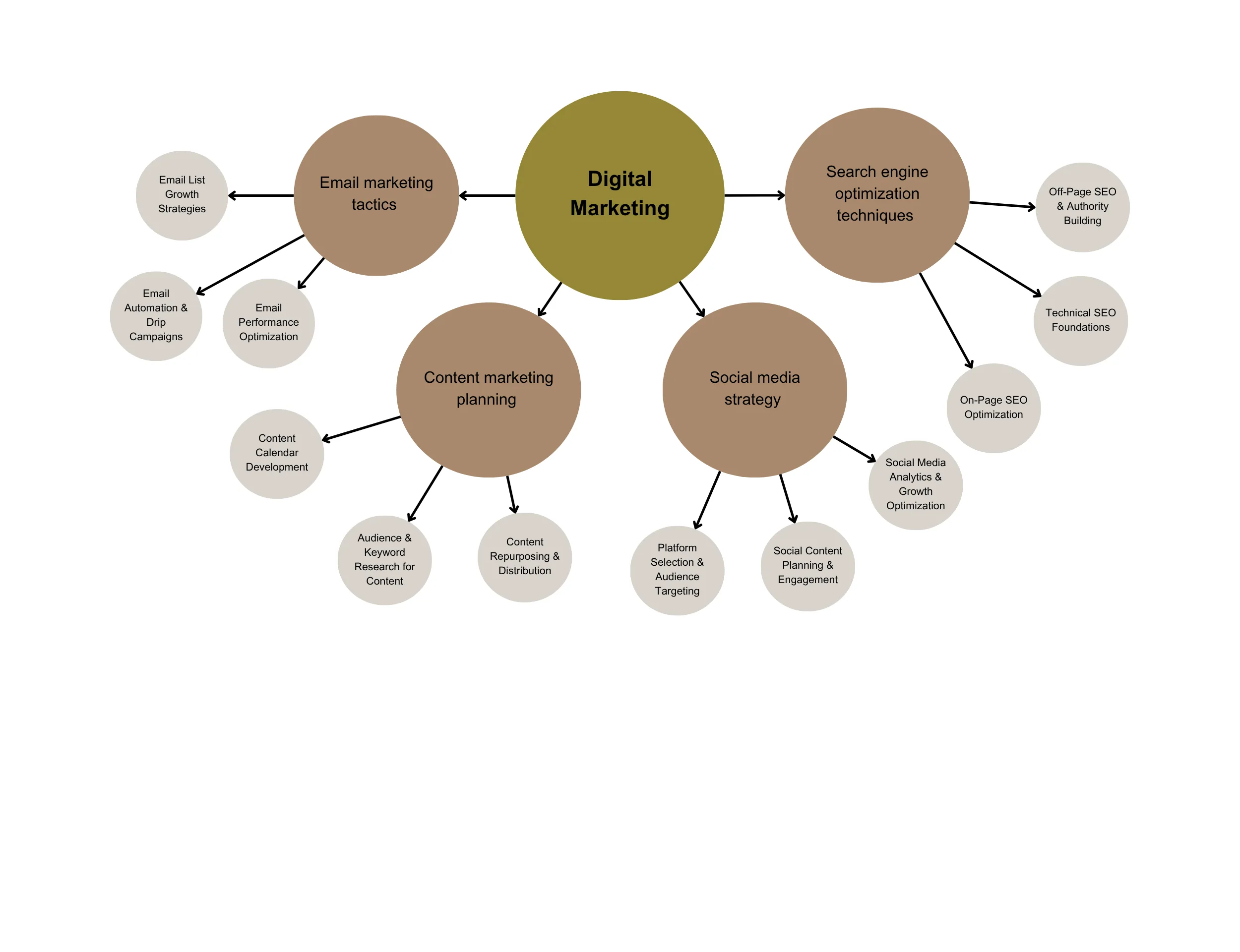
For example, a pillar page about SEO strategy might link to cluster articles about keyword research, internal linking, technical SEO, and content optimization. Each cluster article then links back to the pillar page and sometimes to related cluster pages.
Together, they form a comprehensive resource that covers the topic from multiple perspectives.
Cluster content refers to the supporting articles within a topic cluster that explore specific aspects of the main topic.
While the pillar page provides a broad overview, cluster pages go deeper into individual subtopics. These pages often target more specific search queries and provide detailed explanations.
For instance, if the pillar page covers digital marketing strategy, cluster content might include pages about:
Each of these pages contributes to the overall topic while focusing on a particular area of expertise.
Cluster content is valuable because it allows you to address many related questions without overcrowding a single page. It also creates multiple entry points for users discovering your site through search.
When these pages are properly linked together, they reinforce the larger topic and help search engines understand the relationships between them.
A well built topic cluster typically includes three key components.
The first is the pillar page, which introduces the primary topic and provides a broad overview of its major ideas. Pillar pages are usually comprehensive and link out to multiple supporting resources.
The second component is cluster content. These pages explore specific subtopics and provide deeper explanations that expand on the ideas introduced in the pillar page.
The third component is internal linking. The pillar page links to each cluster article, and those articles link back to the pillar page. This structure helps search engines understand the relationships between the pages.
Together, these elements create a connected framework that signals expertise and strengthens site organization.
Pillar pages and cluster pages function as complementary parts of a larger content ecosystem.
The pillar page acts as the central hub for a topic. It introduces the subject, outlines the key concepts, and directs readers to supporting content for deeper exploration.
Cluster pages build on those concepts by addressing specific questions or subtopics. Each article focuses on one area of the broader topic while linking back to the main pillar page.
This internal linking creates a logical pathway for both readers and search engines. Visitors can easily move between related subjects, while search systems gain a clearer understanding of how the content is structured.
Over time, this interconnected structure strengthens the authority of the entire topic cluster.
Search engines aim to deliver the most helpful and trustworthy information available. One way they evaluate credibility is by looking at how consistently a website covers a particular subject.
A single article provides limited evidence of expertise. A group of interconnected articles that explore different aspects of the same topic tells a much stronger story.
Topic clusters make that expertise visible. By connecting related pages and expanding coverage across multiple subjects within a theme, they demonstrate that a site has meaningful depth in that area.
This broader coverage helps search engines recognize your website as a reliable source of information.
Internal linking plays an important role in how search engines crawl and interpret websites. Topic clusters naturally strengthen this structure.
Each cluster article links back to the pillar page, and the pillar page links out to those supporting resources. This creates a clear hierarchy that signals which pages are central to the topic.
The improved structure helps search engines discover related content more easily and understand how the pages connect.
It also benefits users. Readers who land on one article can easily navigate to other relevant topics without leaving the site or starting a new search.
Over time, this organized structure improves both usability and search performance.
Strong internal linking can also support AI citation visibility by making relationships between pages easier for search engines and AI systems to understand.
Topic clusters strengthen multiple areas of SEO at the same time. In practice, they support the four primary types of SEO.
On page SEO focuses on optimizing the content and structure of individual pages. Cluster strategies improve this by clearly defining the purpose of each article and aligning it with a specific subtopic.
Technical SEO focuses on how search engines crawl and interpret a website. Internal linking within clusters improves crawlability and helps search engines understand the hierarchy of the content.
Off page SEO relates to external signals such as backlinks. Comprehensive topic clusters often attract more links because they serve as valuable resources.
Local SEO focuses on geographic relevance. Businesses can create clusters around location based services or industry specific topics that support local search visibility.
Together, these improvements create a stronger overall SEO foundation.
Businesses can begin building topic clusters by identifying the core subjects that matter most to their audience.
These topics should align with both customer interests and the organization’s expertise. Once a core topic is identified, the next step is to create a pillar page that introduces the subject and outlines its key ideas.
From there, supporting cluster content can be developed to answer common questions and explore related subtopics.
Finally, internal links connect all of the pages together so they function as a unified system rather than isolated articles.
Over time, this approach builds a content ecosystem that strengthens authority and expands search visibility.
Before building new clusters, it is helpful to complete a content audit for AI SEO so you can see which existing articles should be updated, connected, consolidated, or expanded.
Sustainable SEO success rarely comes from a single article. It comes from consistently publishing helpful content that addresses the real questions your audience is asking.
Topic clusters provide a framework for organizing that content so it contributes to a larger knowledge base.
Instead of publishing random articles, businesses can develop resources that collectively cover an entire subject area. This structure makes it easier for search engines to recognize expertise and for readers to explore related ideas.
As search technology continues to evolve, strategies built around clarity, organization, and topical authority will become even more important. Topic clusters help businesses move in that direction by turning individual pieces of content into a cohesive system that supports long term visibility.
Schedule a call with a marketing expert today to get started on your next phase of business.