SEO
Backlinks vs Brand Mentions: Which Matters More for SEO Today?
For most of SEO’s history, the answer to building authority online seemed simple: get more backlinks. If other websites linked to your content, search engines treated that as a vote of confidence. The more high-quality links you earned, the more likely your pages were to rank.
That basic idea still holds true today. Backlinks remain one of the strongest signals search engines use to understand credibility and relevance.
But the conversation around SEO has expanded. As search engines become better at understanding language, context, and entities, marketers have started paying attention to another signal: brand mentions.
A brand mention happens whenever your company or brand name appears online, whether or not there is a link attached. It might appear in a news article, an industry blog, a podcast, a review, or even a forum discussion. These references don’t always send traffic directly to your website, but they still contribute to your presence across the web.
This shift has sparked an ongoing debate: backlinks vs brand mentions—which actually matters more for SEO today?
The answer isn’t as simple as choosing one over the other. Modern search engines rely on a combination of signals to understand authority, expertise, and trust. Backlinks still play a major role, but brand mentions are becoming an increasingly important part of the picture.
To understand how these signals work together, it helps to break down what each one actually contributes to your visibility online.
The reason this discussion is gaining momentum has a lot to do with how search engines have evolved.
Years ago, search algorithms relied heavily on structural signals like links, keywords, and page metadata. Backlinks were particularly useful because they created a clear map of relationships between websites. If multiple trusted sites linked to the same page, that page was probably worth showing in search results.
Over time, however, search engines became more sophisticated. They started analyzing language, context, and topic relationships across the web. Instead of looking only at links, algorithms began interpreting meaning within content.
At the same time, search engines started building massive knowledge graphs that connect entities—people, places, companies, products, and concepts. In that environment, brand recognition matters more than it once did.
If a brand appears consistently across reputable sources, search engines gain a clearer understanding of who that brand is, what it does, and what topics it’s associated with. These references help reinforce authority even when they don’t include direct links.
That shift has pushed marketers to reconsider the role of brand visibility in SEO.
Backlinks remain essential, but mentions across the web help reinforce the broader signals that search engines use to evaluate credibility.
Backlinks are links from one website to another. When another site links to your content, it creates a pathway for both users and search engines to reach your page.
In SEO terms, backlinks function as endorsements. A reputable website linking to your content suggests that the information is useful or trustworthy.
Search engines analyze backlinks to determine which pages deserve prominence in search results. Links from authoritative and relevant websites pass trust signals that help boost the perceived credibility of your content.
When multiple respected sources link to the same page, it reinforces the idea that the page offers value to readers.
This is why earning links from industry publications, research sites, and respected blogs can have such a strong impact on rankings. A single high-quality backlink can sometimes carry more weight than dozens of low-quality ones.
Backlinks also help search engines discover new pages. When a crawler follows a link from one site to another, it can index content that might otherwise remain hidden.
Beyond search engines, links provide a direct pathway for readers. Someone reading an article that references your content can click through to learn more, sending highly targeted traffic to your site.
The reason backlinks became central to SEO is that they provided a relatively objective signal of authority.
While content quality can be subjective, links are measurable. They create a visible network that shows how websites reference and interact with each other.
Because of this, link analysis became a core part of how search engines ranked content.
Even today, most competitive search results rely heavily on backlink strength. Pages with strong link profiles tend to perform better because they signal credibility and trust.
However, backlinks are no longer the only signal search engines consider.
A brand mention occurs whenever your company name appears online, whether or not it includes a link to your website.
These references can appear in many different places: articles, interviews, social media posts, podcasts, reviews, or forum discussions.
While they may not directly send users to your site, they still contribute to your overall presence across the web.
Brand mentions can also appear in community discussions, which is why platforms like Reddit and Quora can support SEO visibility when they reflect real authority and not forced promotion.
Some mentions include hyperlinks, while others simply reference your brand in text.
Linked mentions function similarly to traditional backlinks because they provide both visibility and a direct pathway to your website.
Unlinked mentions, on the other hand, simply include the brand name without a clickable link.
For example, a publication might write, “Pastel Creative specializes in modern SEO strategies,” without linking to the company’s site. Even though there’s no link, the brand still appears within a relevant context.
Search engines are increasingly capable of understanding the meaning behind text. Through natural language processing, algorithms can recognize when a brand name appears in conversation and how it relates to surrounding topics.
Frequent mentions across credible sources help reinforce associations between a brand and specific areas of expertise.
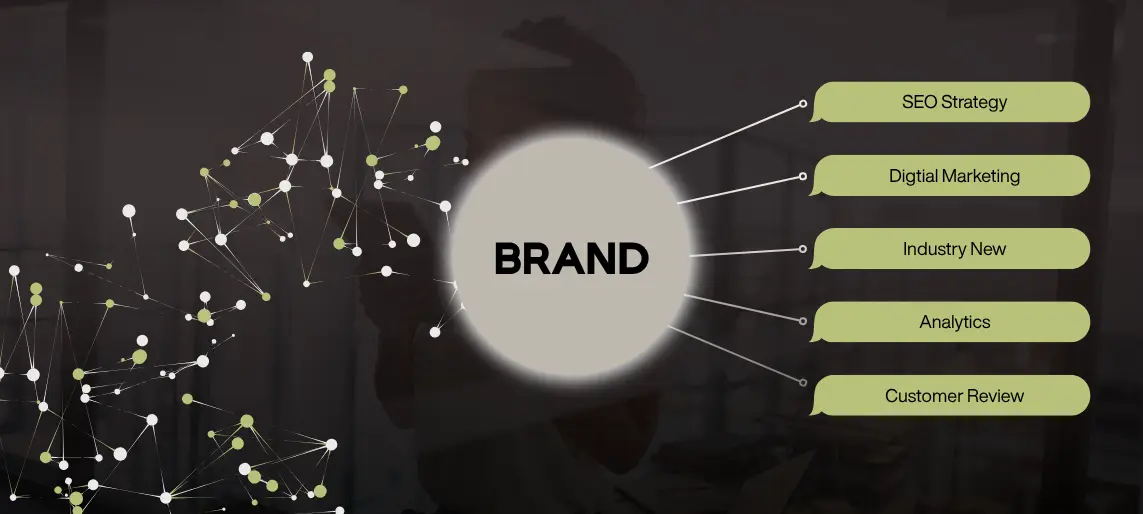
If a brand is repeatedly referenced in discussions about SEO strategy, digital marketing, or analytics, search engines begin to connect that brand with those subjects.
Over time, these contextual signals contribute to how algorithms understand authority and relevance.
Brand mentions alone may not have the same direct ranking power as backlinks, but they strengthen the broader ecosystem of signals that search engines rely on.
These credibility signals matter because AI systems often rely on broader web recognition when deciding which brands to recommend in response to user questions.
Backlinks and brand mentions both contribute to SEO, but they do so in different ways.
Backlinks operate through explicit connections between websites. They pass authority directly from one domain to another and influence how pages rank.
Brand mentions operate more indirectly. Instead of transferring link equity, they contribute to recognition, reputation, and topic association.
In other words, backlinks help search engines determine which pages deserve to rank, while brand mentions help them understand which brands are credible within a topic.
Backlinks function as authority signals. When trusted sites link to your content, they reinforce your credibility.
Brand mentions function more as visibility signals. They show that your brand exists within conversations happening across the web.
Both types of signals help search engines interpret trust, but they do so through different mechanisms.
Because backlinks pass link equity, their impact on rankings is more immediate.
Brand mentions tend to influence SEO more gradually. They contribute to brand recognition, topic relevance, and entity understanding.
While a single mention may not dramatically shift rankings, consistent visibility across reputable sources can strengthen your brand’s overall authority.
Trust is one of the most important elements in search visibility.
Backlinks build trust through endorsements from other websites. When a respected site links to your content, it signals confidence in your expertise.
Brand mentions build trust through recognition. When your name appears repeatedly across credible platforms, it reinforces familiarity and legitimacy.
Both signals work together to shape how search engines evaluate authority.
Continuing from the previous sections.
Search is changing faster than it has in years. With the rise of AI-driven search features, search engines are no longer just matching keywords or counting links. They are increasingly trying to understand context, entities, and relationships across the web.
This shift has important implications for the conversation around backlinks vs brand mentions.
As AI-generated answers become more common, backlinks and mentions can also influence whether your content earns AI citations in search results and answer engines.
Modern search engines rely heavily on entity recognition. Instead of seeing the web as a collection of pages and links, they now view it as a network of identifiable entities connected by topics and relationships.
Brands are one of those entities.
When your brand appears consistently across articles, discussions, reviews, and media coverage, search engines begin to associate your name with specific topics or industries. Over time, this builds a clearer understanding of what your brand represents.
For example, if a marketing agency is frequently mentioned in discussions about SEO strategy, analytics, and digital growth, search engines can begin connecting that brand with expertise in those areas.
This contextual understanding strengthens your overall presence in search.
AI-powered search systems rely heavily on text data to understand the web. Large language models and AI-driven search features analyze massive amounts of written content to identify patterns, topics, and relationships.
Brand mentions help reinforce those patterns.
When your brand appears frequently in relevant conversations, it increases the likelihood that search engines and AI systems will associate your name with specific subject areas.
This can influence how your brand appears in summaries, recommendations, and AI-generated responses.
In other words, brand mentions help ensure your company exists within the broader information ecosystem that AI systems analyze.
Despite these changes, backlinks are far from obsolete.
Links still provide structured signals that help search engines determine authority and discover content. They create clear connections between pages that algorithms can easily interpret.
Even as AI improves contextual understanding, backlinks remain one of the strongest signals of credibility. They help confirm that a website’s content is worth referencing.
In practice, backlinks and brand mentions complement each other. Mentions help build recognition and contextual relevance, while links provide the authority that supports rankings.
While brand mentions are becoming more valuable, there are still many situations where backlinks should remain the primary focus of your SEO strategy.
If your goal is to rank for highly competitive search terms, backlinks are essential.
Search engines rely heavily on link authority when determining which pages deserve to appear at the top of results. In industries where many websites produce similar content, backlinks often act as the deciding factor.
A page with strong links from reputable sources will typically outperform a similar page without them.
Backlinks contribute to the overall authority of your domain. When trusted websites consistently link to your content, search engines interpret that as a signal that your site is credible.
Over time, this accumulated trust can make it easier for new pages on your site to rank.
Sites with strong backlink profiles often see better performance across multiple keywords because search engines already recognize them as reliable sources.
Backlinks also provide value beyond search rankings.
When a publication, blog, or industry site links to your content, readers may click through to learn more. This creates referral traffic from audiences that are already interested in your topic.
These visitors tend to be highly relevant because they arrive through contextual links within related content.
For businesses trying to attract qualified visitors, this traffic can be just as valuable as organic search traffic.
Although backlinks are powerful, brand mentions play an important role in building visibility and reputation.
In some cases, they can even be the starting point that leads to future links.
Brand mentions help introduce your company to new audiences.
When your name appears in industry articles, podcasts, social discussions, or media coverage, it exposes your brand to people who may not have encountered it through search alone.
These references build familiarity. Over time, repeated exposure makes your brand more recognizable and memorable.
This kind of visibility can lead to increased branded searches, where users look specifically for your company by name.
Trust isn’t built through a single signal. It develops through repeated confirmation that a brand is credible and relevant.
When your company appears across respected publications and industry conversations, it strengthens the perception that your brand is established within its field.
These signals can reinforce your reputation both for users and for search engines.
As search systems rely more on contextual understanding, brand mentions contribute to how algorithms interpret your expertise.
Mentions help connect your brand with specific topics and industries. If your name appears regularly in discussions about a particular subject, search engines can begin associating your brand with that topic.
This association helps reinforce authority over time.
While mentions alone may not dramatically boost rankings, they support the broader signals that search engines use to understand credibility.
When discussing backlinks vs brand mentions, it’s tempting to frame them as competing strategies.
In reality, the most effective SEO strategies rely on both.
Backlinks provide measurable authority. Brand mentions provide recognition, context, and trust. Together, they create a stronger and more balanced digital presence.
Many backlinks begin as simple mentions.
A journalist, blogger, or industry expert might reference your company without including a link. Later, another publication may cite that same mention and add a link to your site.
This process often starts with visibility. When people recognize your brand as a credible source, they are more likely to reference your work and include links.
In this way, brand mentions can act as a foundation for future backlinks.
Digital PR sits at the intersection of brand visibility and link building.
Media outreach, expert commentary, research reports, and industry insights can all lead to coverage across publications. Sometimes that coverage includes links, and sometimes it only includes brand mentions.
Both outcomes still contribute to your presence across the web.
Over time, consistent coverage helps reinforce your authority within your niche.
SEO is rarely about a single tactic. Long-term authority comes from a combination of signals that reinforce credibility.
Backlinks strengthen your technical authority within search algorithms. Brand mentions strengthen your reputation and visibility within conversations happening across the web.
When these signals appear together across trusted sources, they create a powerful foundation for sustained search visibility.
The debate between backlinks vs brand mentions often misses the bigger picture.
Backlinks remain one of the strongest ranking signals in search engines. They pass authority, help pages rank, and drive referral traffic.
Brand mentions, on the other hand, reinforce recognition and contextual relevance. They help search engines understand who you are and what topics your brand is associated with.
Modern SEO relies on both types of signals.
Backlinks provide the structural authority that helps pages rank. Brand mentions strengthen the broader reputation signals that support credibility and trust.
For businesses focused on long-term growth, the most effective approach isn’t choosing one over the other. It’s building a presence across the web where your brand is both linked and talked about.
Schedule a call with a marketing expert today to get started on your next phase of business.